

Watershed Development
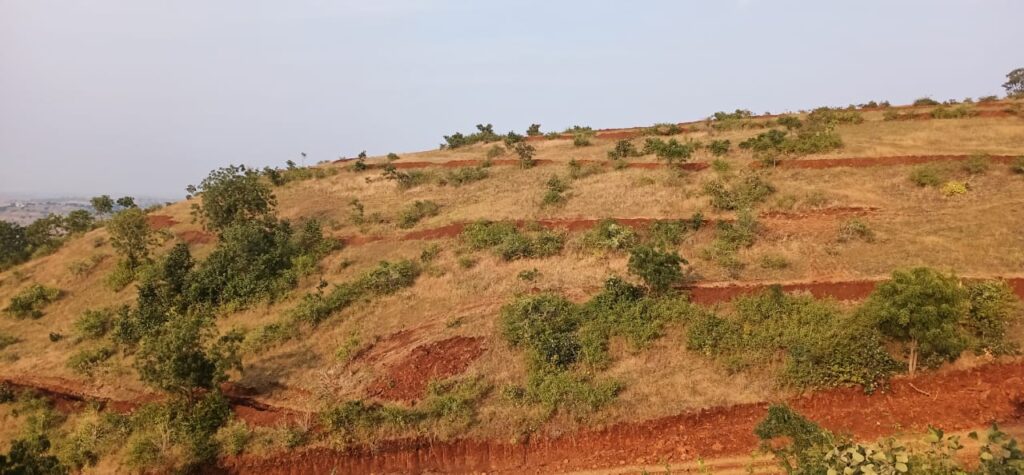
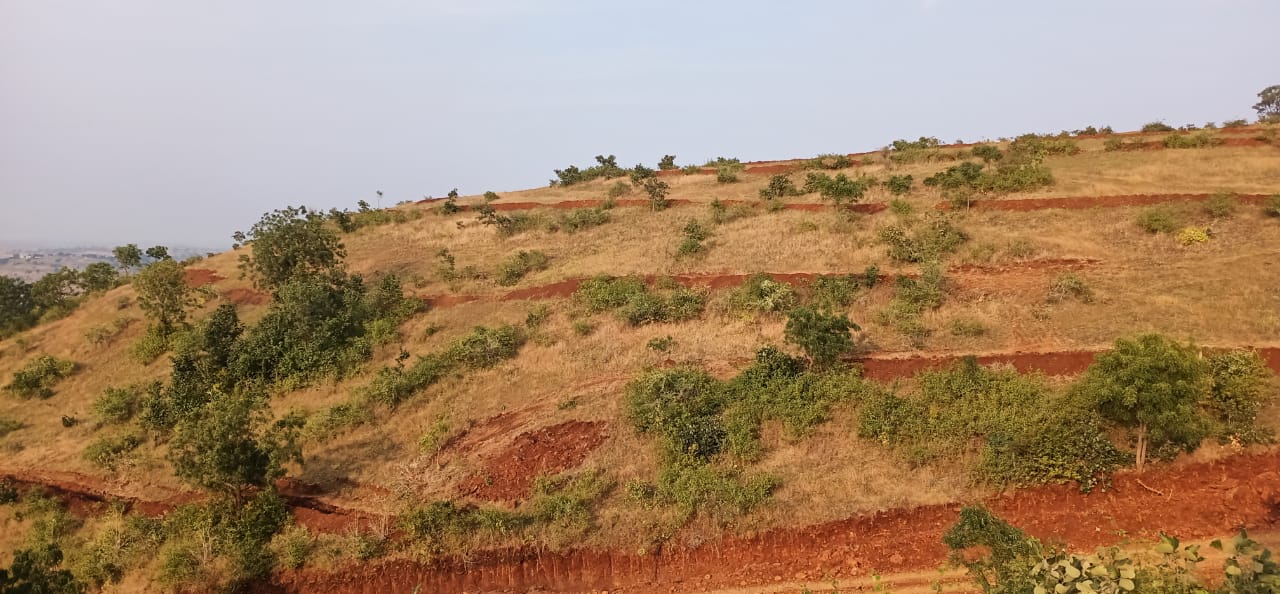
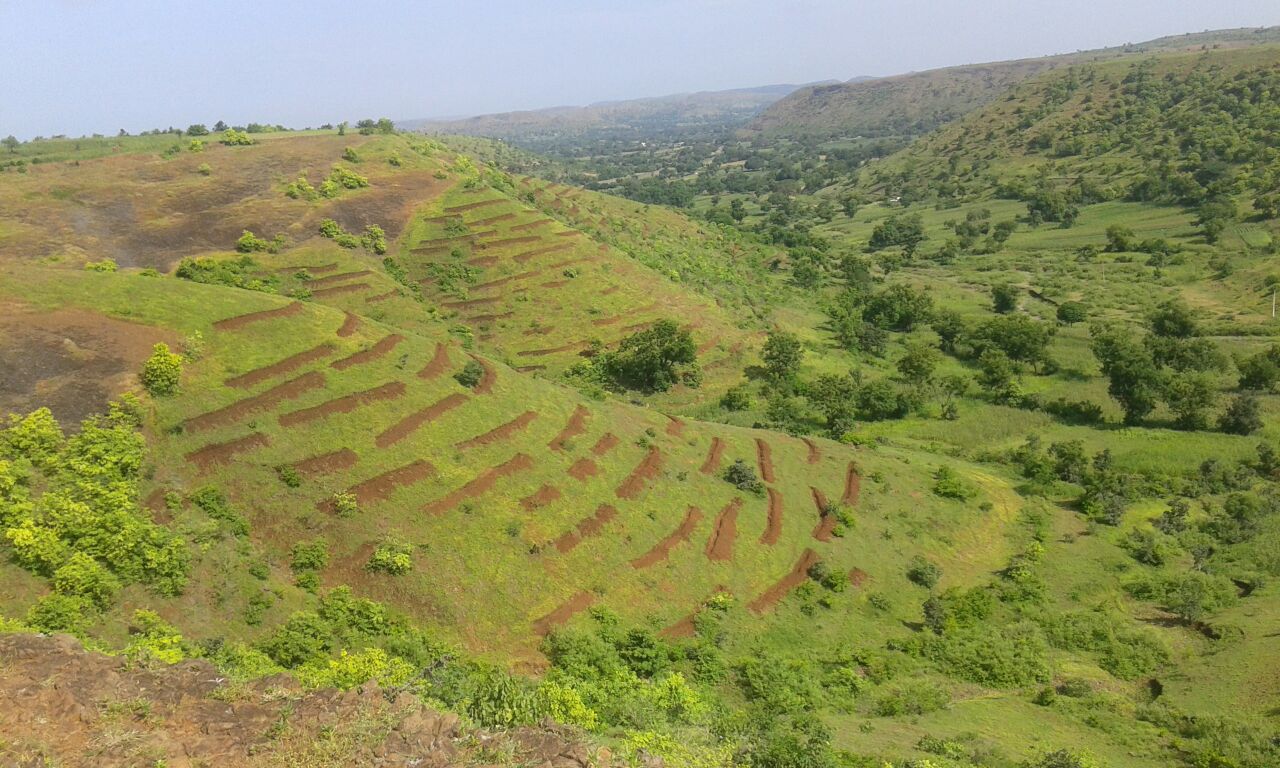
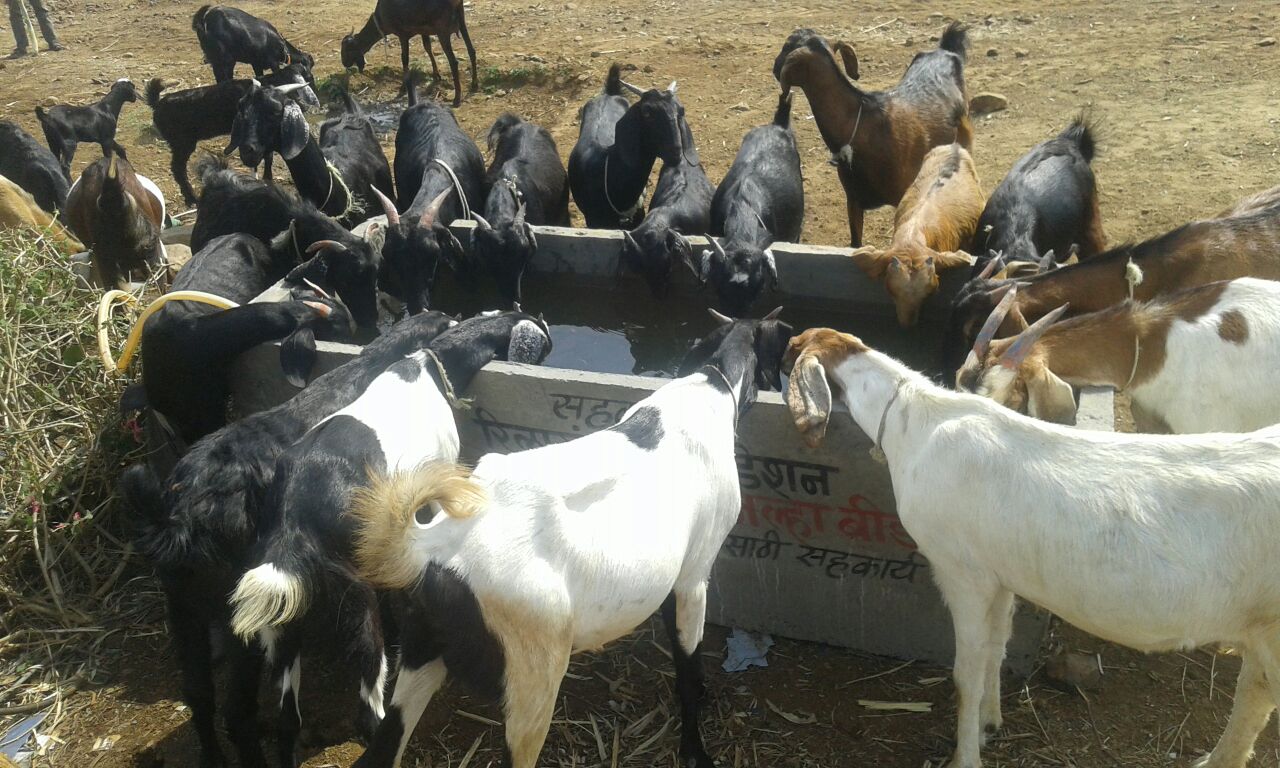
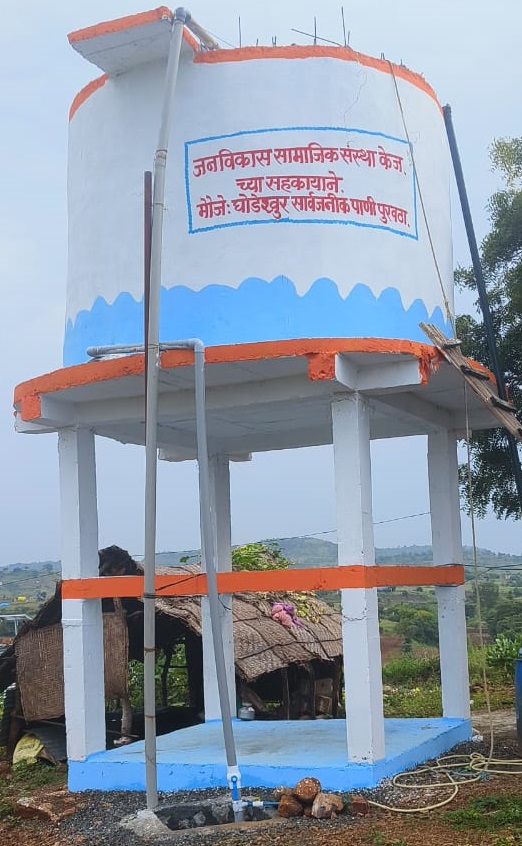
Watershed development forms the foundation of our environmental initiatives. By treating entire watersheds rather than isolated locations, we improve rainfall infiltration, reduce surface runoff, and increase groundwater recharge. This integrated approach restores ecological balance while ensuring sustainable water availability for agriculture and drinking purposes.
River, Nala and Water Body Rejuvenation
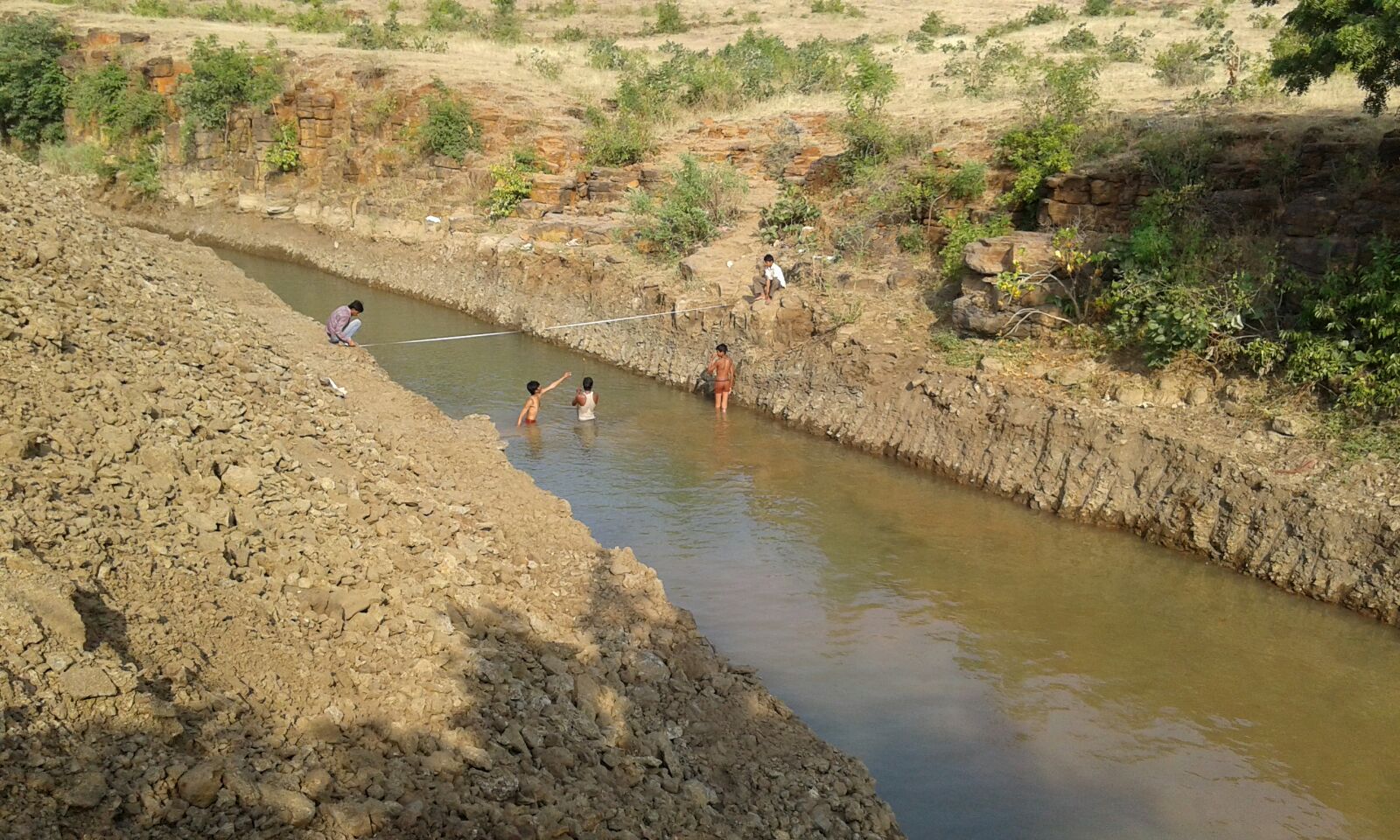
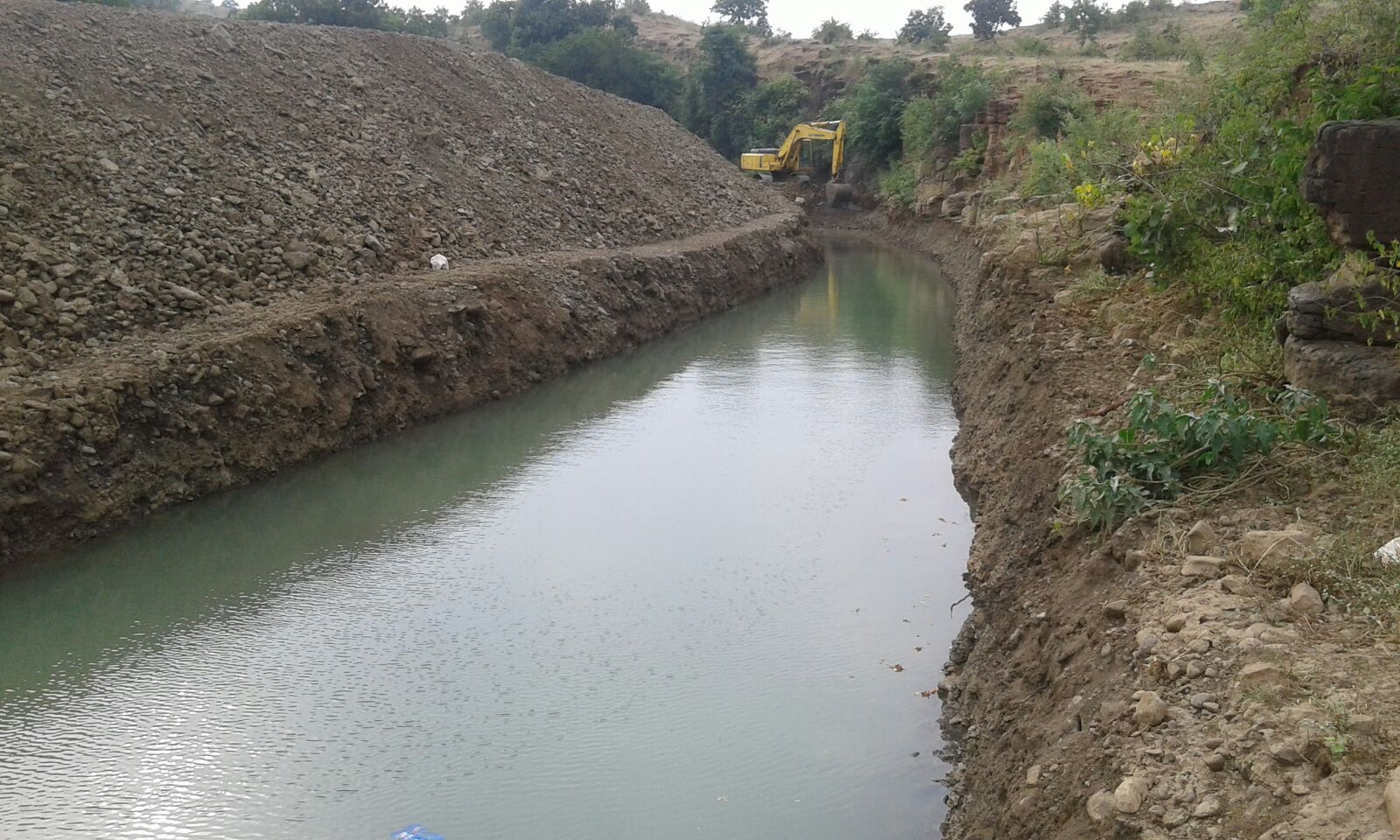
Natural water bodies gradually lose their storage capacity due to silt accumulation and years of neglect. JVSS undertakes river deepening, widening, nala rejuvenation, lake restoration, pond desilting, and repair of traditional water structures to restore their original capacity. These interventions significantly improve groundwater recharge, increase water storage, and ensure greater availability of water throughout the year.
Groundwater Recharge
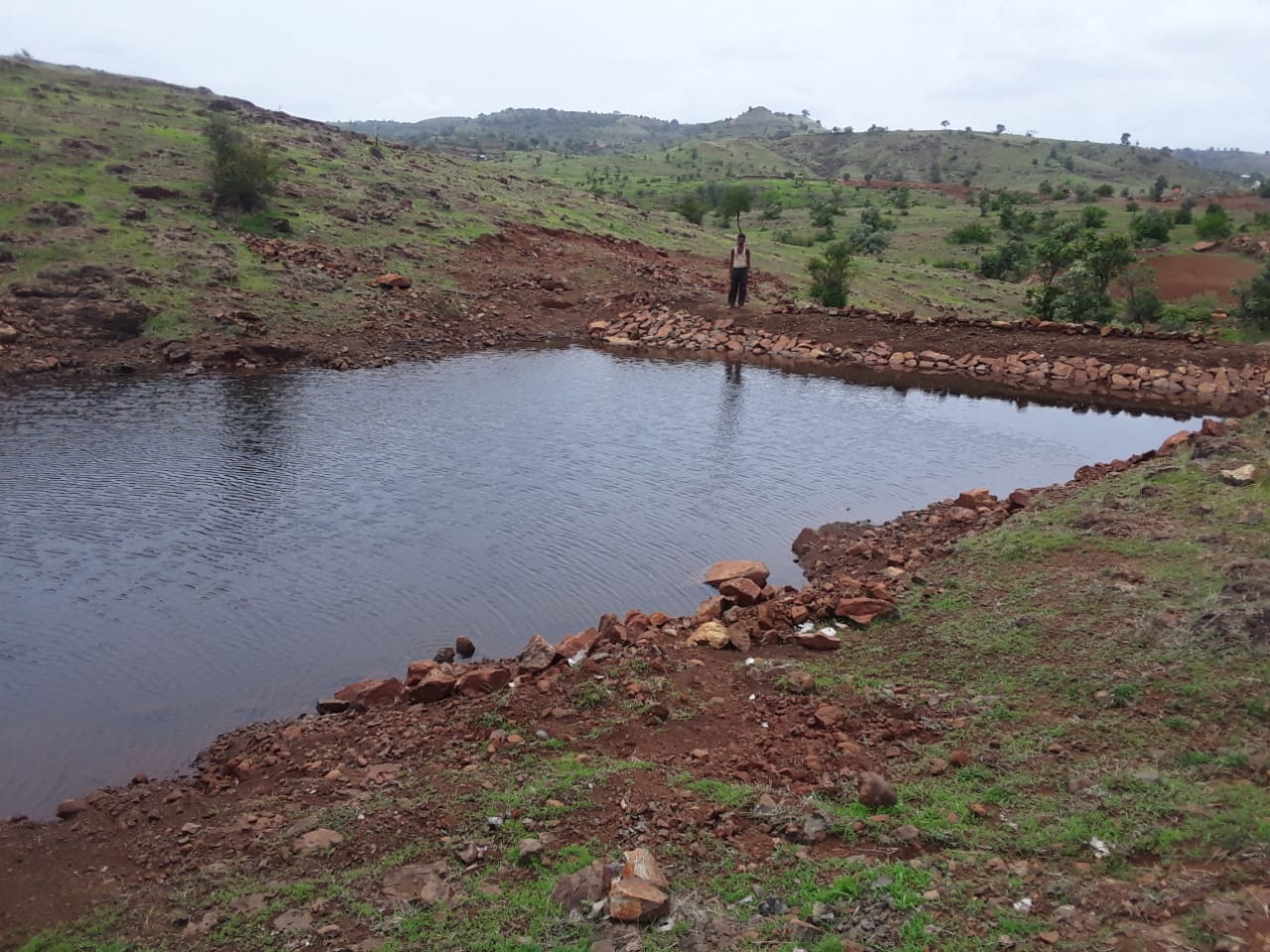
Improving groundwater availability is essential for both agriculture and drinking water security. Through recharge structures, watershed treatment, well rejuvenation, and improved water retention measures, JVSS has contributed to increased water levels in wells, borewells, streams, ponds, and rivers, benefiting farming communities across project areas.
Rainwater Harvesting
Rainwater harvesting plays a vital role in conserving every drop of rainfall. JVSS develops rainwater harvesting structures that capture seasonal rainfall, reduce runoff, and increase groundwater recharge. These interventions improve water availability during dry seasons while strengthening the resilience of communities against recurring droughts.
Ecological Restoration
Environmental conservation extends beyond water management. JVSS promotes tree plantation and ecological restoration activities that improve biodiversity, stabilise soil, reduce erosion, and contribute to long-term environmental sustainability. These efforts help restore degraded landscapes while creating healthier ecosystems for future generations.

Community Participation
The long-term success of conservation initiatives depends on community ownership. JVSS works closely with village communities, farmers, local institutions, and user groups throughout every stage of project planning, implementation, and maintenance. Community participation ensures that conservation structures are properly maintained and continue delivering benefits long after project completion.